ForeverLawn Northern Washington
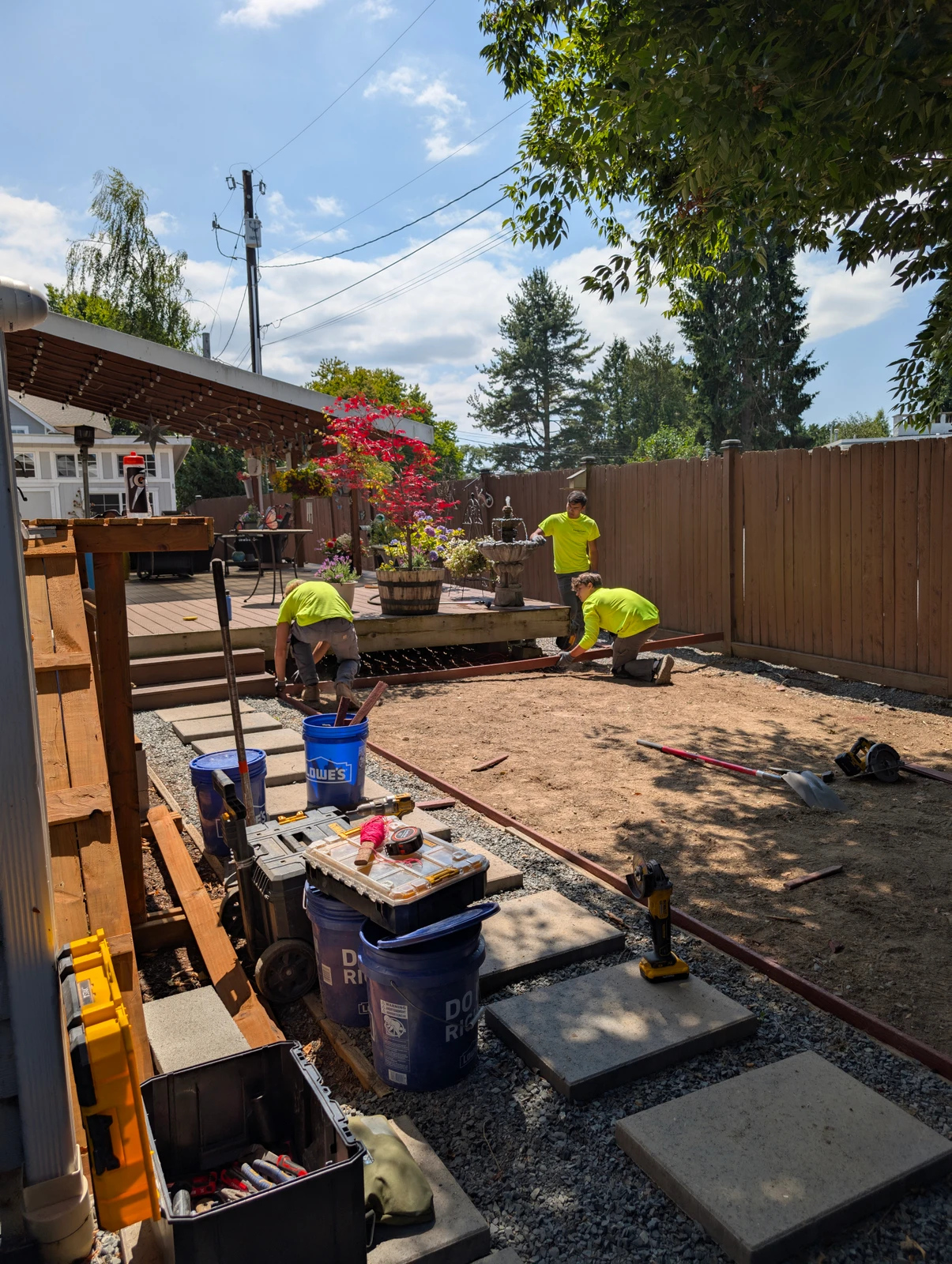
Washington’s spring season brings heavy rainfall that can create significant challenges for artificial turf installations. Without proper drainage systems, water can pool on synthetic surfaces, leading to damage, odors, and safety hazards. Understanding artificial turf drainage spring requirements is essential for maintaining a functional and long-lasting synthetic lawn.
Why Proper Drainage Matters for Artificial Turf
Artificial turf relies on effective drainage to prevent water accumulation that can compromise the installation’s integrity. Poor drainage leads to standing water, which creates breeding grounds for bacteria and mold while potentially damaging the turf backing and infill materials. Spring’s increased precipitation in Washington makes proper drainage systems critical for maintaining synthetic grass performance year-round.
Professional Installation Techniques for Optimal Water Flow
Professional installers use specific techniques to ensure proper water management in artificial turf systems. The base preparation includes creating proper slopes and installing perforated drainage pipes when necessary. A well-constructed aggregate base with the correct gradation allows water to flow through the turf backing and into the underlying drainage system, preventing pooling issues that commonly occur with improper installation.
Base Preparation and Grading Requirements
Proper base preparation involves excavating to the appropriate depth and creating a slight slope away from structures. The base material typically consists of decomposed granite or crushed rock that compacts well while maintaining permeability. Professional installers ensure the base has adequate drainage capacity to handle Washington’s spring rainfall volumes without compromising the turf surface above.
Drainage System Components and Materials
Modern artificial turf drainage systems incorporate multiple components working together. Perforated drainage pipes, when needed, collect and redirect excess water away from the installation area. The turf backing itself features drainage holes that allow water to pass through, while proper infill materials help facilitate water movement through the system. Quality synthetic landscaping grass products include advanced backing materials designed for superior drainage performance.
Long-Term Benefits of Professional Drainage Installation
Investing in professional drainage installation provides numerous long-term advantages beyond preventing water issues. Proper drainage extends the lifespan of artificial turf by preventing backing deterioration and infill displacement. It also maintains the surface’s safety and playability by eliminating slippery conditions and soft spots that can develop with poor drainage. For pet owners, effective drainage systems are particularly important, as demonstrated in our artificial turf for dogs installations that handle both rainwater and pet waste drainage efficiently.
Maintenance Considerations for Spring Season
Spring maintenance involves inspecting drainage performance and addressing any issues before they become major problems. Regular debris removal from drainage areas ensures optimal water flow, while periodic checks of the turf surface help identify potential drainage problems early. Professional maintenance services can assess drainage effectiveness and make necessary adjustments to maintain peak performance throughout the wet spring season.

This article is provided by the team at ForeverLawn Northern Washington. If you have any questions, please feel free to contact us.
Get To Know Us
For Estimates - Call (425) 236-1906
View All Projects
View All Articles
Frequently Asked Questions
Do you have further questions that we didn't cover in this article? Here are some common questions we have answered about this subject. If you have additional questions, please feel free to contact us for additional information.
Get More Info