ForeverLawn Northern Washington
Post-Winter Debris Removal
A Pacific Northwest winter leaves a lot of organic material on a turf surface. Start with the leaves, twigs and pine needles. A leaf blower or a stiff broom will clear the surface if you work across the whole area systematically, and the spots that need the most attention are under trees and along fence lines. Take off any fallen branches that have pressed the fibers flat. For material worked down between the blades, a plastic rake used gently will lift it without catching the fibers. Getting the surface clean first is what lets you see the condition of everything underneath it.
Drainage Check
Washington’s winter rain is a fair test of any drainage. Walk the whole surface after a rainfall and note anywhere water sits, drains slowly, or feels soft or spongy underfoot. Check the perimeter too, and make sure gutters and downspouts are sending water away from the turf rather than across it. Clear anything blocking the drainage channels, and check that silt or fine debris is not holding water at the surface. If an area stays wet, call us and we will come and look at it rather than you chasing it from the top down.
Infill Level and Distribution
Winter weather and foot traffic move infill around. Look for places where the backing shows through or where the blades lie flat instead of standing up. Proper infill levels keep the blades upright and the surface even. A brush or a power broom will redistribute what is already there. If the levels are genuinely low, fresh material is needed, and the type and amount depend on what was installed, so check with us before topping it up.
Moss and Algae
Our wet climate favors moss and algae, particularly in shaded corners with little air movement and anywhere debris has been left to break down. Look for green discoloration, slippery patches or fuzzy growth.
Do not put a cleaning product or chemical on the surface on your own initiative. Cleaning agents can affect the turf and can affect your warranty, and the right treatment depends on the system that was installed. Clear the debris, cut back vegetation that keeps an area in permanent shade, make sure the area drains, and call us before anything is applied. We will check the manufacturer’s current maintenance guidance for your installation and tell you what is approved.
Fibers and Seams
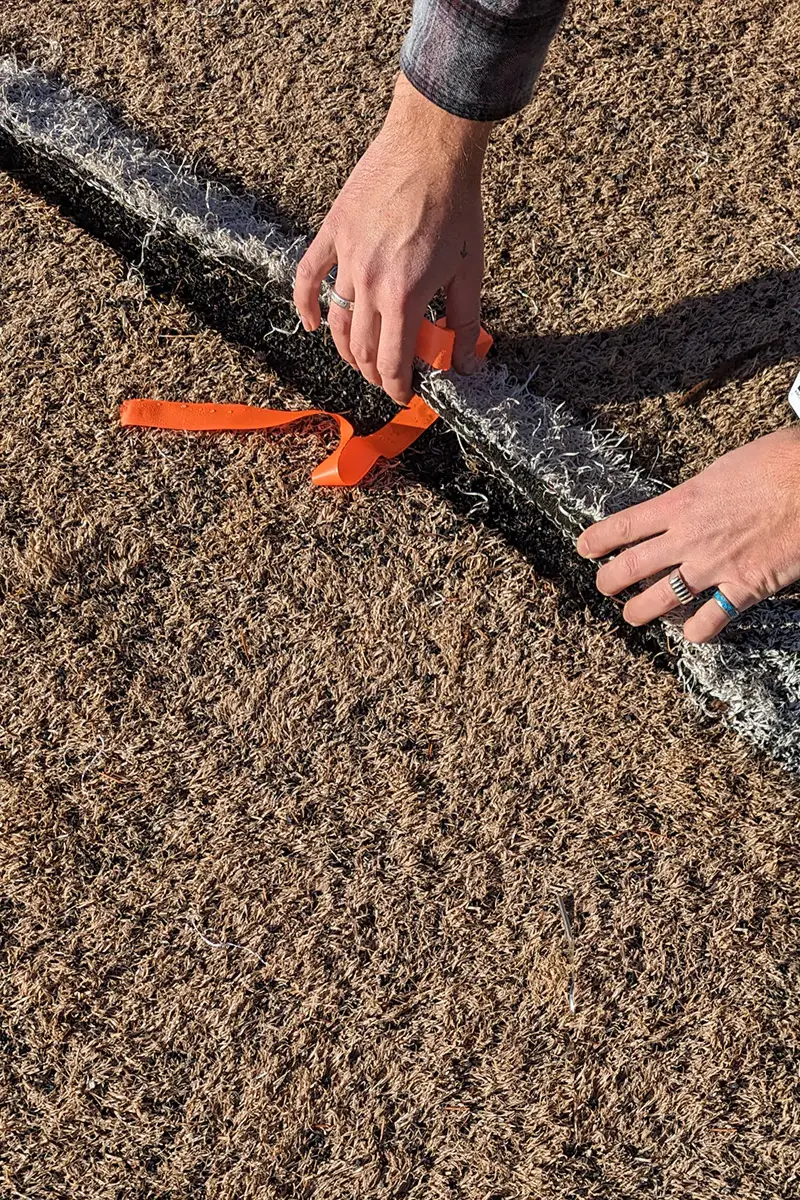
Look over the fibers for wear, matting or damage from the winter. Heavy foot traffic, snow load and debris can leave fibers flattened, and a stiff brush will bring most minor matting back up. Then check the seams: separation, a lifting edge, or visible seam tape. Freeze and thaw cycles work on adhesive bonds over a winter. Anywhere a seam has shifted or opened needs a repair rather than a patch, so note it and call us.
Edges and Borders
Check the perimeter for lifting or shifting, and for damage to the edge restraints. Soil movement and frost heave over the winter can lift a border or pull it away from what it meets. Make sure the edges are still secured and that there are no gaps where debris collects or water gets underneath. Give the transitions to concrete, pavers and planting beds the same look, because those junctions are where weather movement shows up first.

This article is provided by the team at ForeverLawn Northern Washington. If you have any questions, please feel free to contact us.
Get To Know Us
For Estimates - Call (425) 236-1906
View All Projects
View All Articles
Frequently Asked Questions
Do you have further questions that we didn't cover in this article? Here are some common questions we have answered about this subject. If you have additional questions, please feel free to contact us for additional information.
Get More Info