ForeverLawn Northern Washington
Understanding Your Playground Budget Allocation Framework
Municipal parks directors face mounting pressure to maximize every budget dollar while maintaining safe, engaging playground facilities. Effective playground budget planning requires a systematic approach that balances immediate maintenance needs with long-term capital investments. Your annual budget should allocate approximately 10-15% for routine maintenance, 20-25% for equipment repairs and replacements, and the remainder for new installations or major upgrades.
Start by conducting a comprehensive asset inventory of all playground equipment, noting installation dates, manufacturer warranties, and current condition assessments. This baseline data becomes crucial for developing accurate cost projections and justifying budget requests to city councils.
Cost-Benefit Analysis: Maintenance vs. Replacement Decisions
The decision between maintaining existing equipment versus full replacement hinges on several financial and safety factors. Generally, if annual maintenance costs exceed 25% of replacement value, replacement becomes the more economical choice. However, safety considerations often override pure financial calculations.
Evaluate each piece of equipment using a scoring matrix that includes age, safety compliance, maintenance frequency, and user satisfaction. Equipment over 15 years old typically requires more frequent repairs and may not meet current safety standards. Document these assessments thoroughly, as they’ll support your budget justifications and demonstrate due diligence in fiscal responsibility.
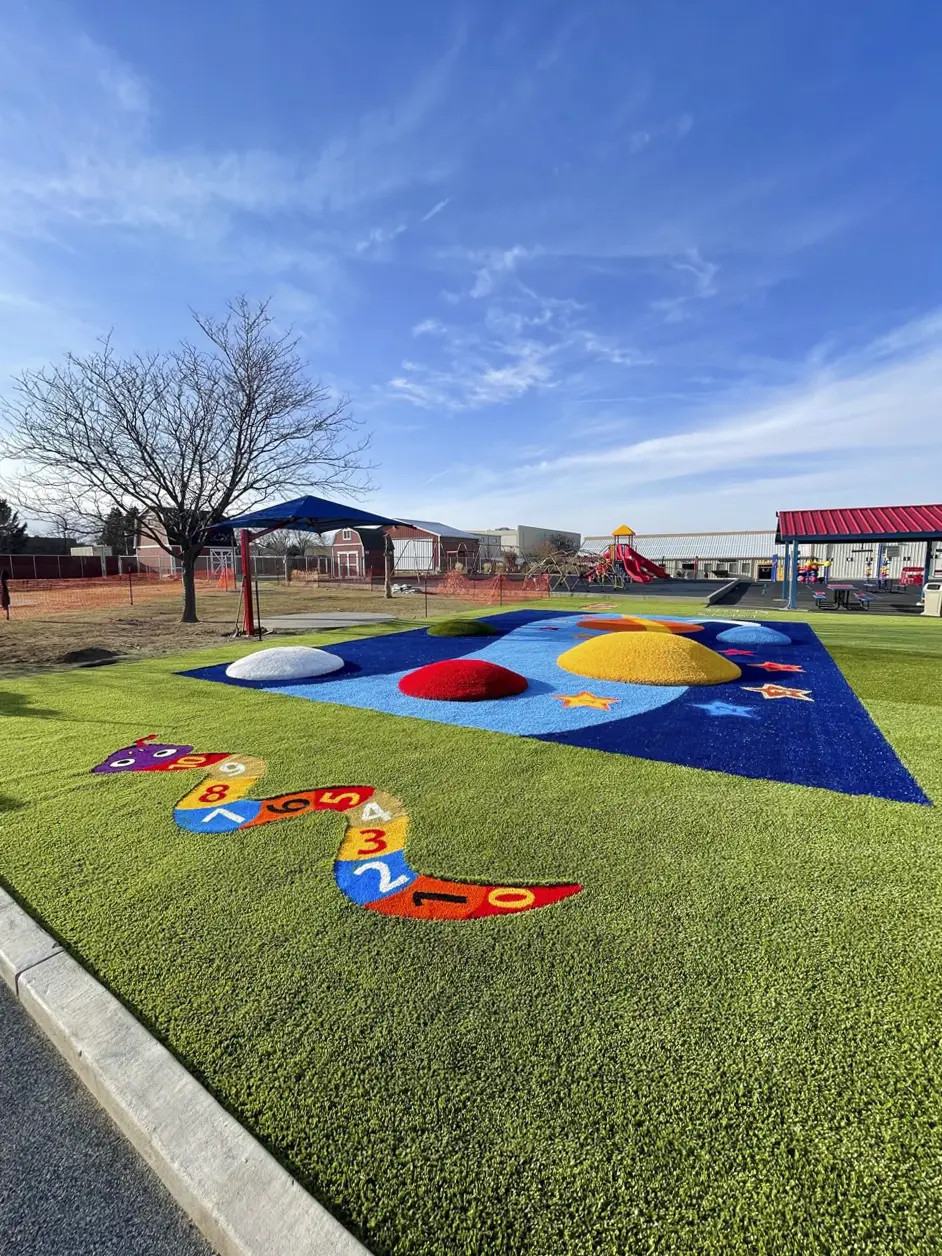
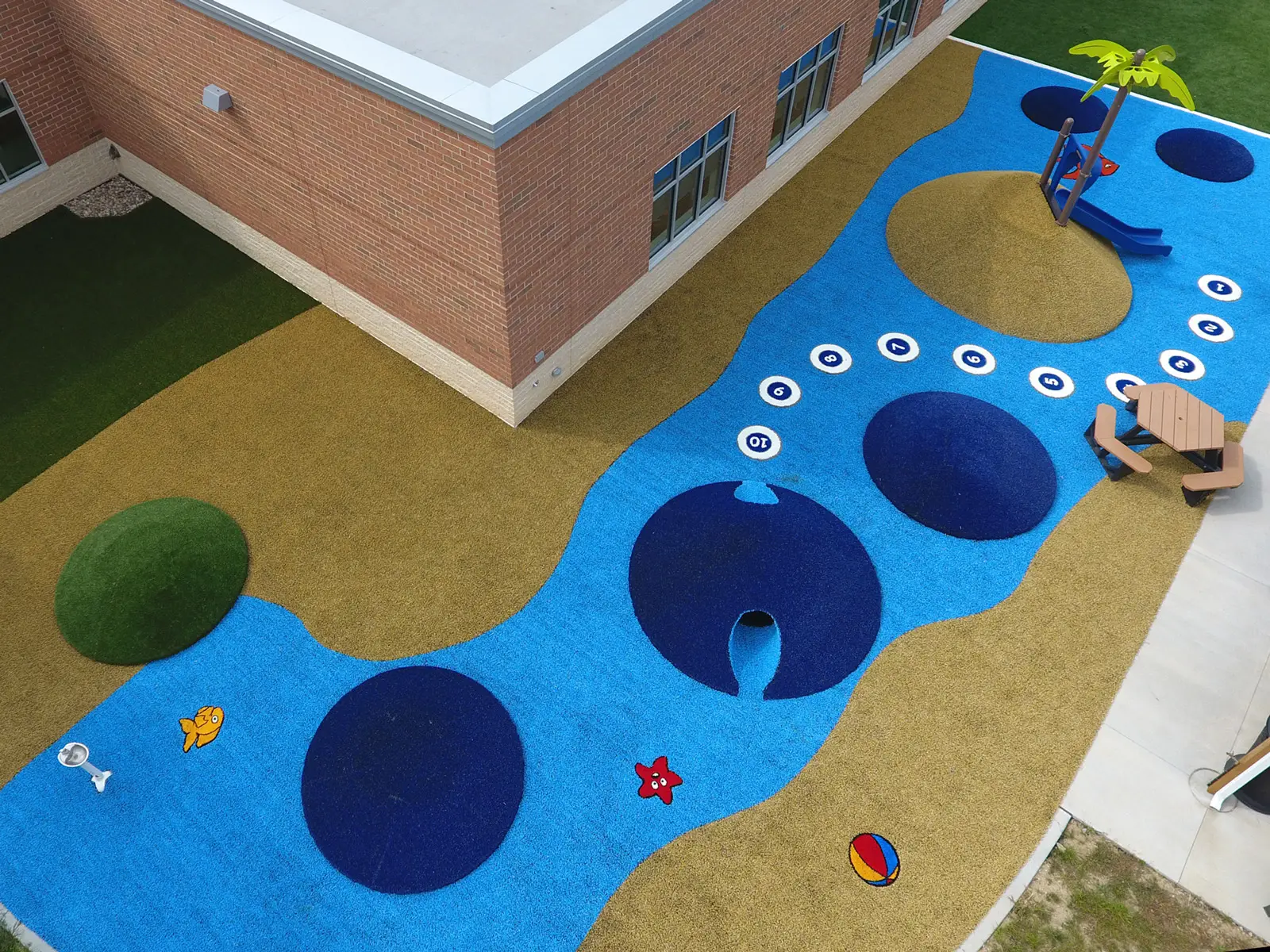
Consider the total cost of ownership, including installation, maintenance, utilities, and eventual disposal. Modern playground surfaces like artificial grass for playgrounds may have higher upfront costs but significantly lower long-term maintenance expenses compared to traditional materials.
 Building Compelling ROI Cases for City Councils
City council members respond to clear, data-driven presentations that demonstrate fiscal responsibility and community benefit. Structure your ROI presentation around three key metrics: cost per user, safety incident reduction, and maintenance savings over time.
Calculate cost per user by dividing total project costs by estimated annual usage. Use visitor logs, community surveys, or observational studies to establish baseline usage numbers. Present this alongside comparable costs for other municipal services to provide context.
Safety improvements offer quantifiable benefits through reduced liability exposure and insurance costs. Document how new equipment or surfaces will address current safety deficiencies and potentially lower insurance premiums. Include quotes from your municipal insurance carrier when possible.
Developing Multi-Year Capital Improvement Plans
Successful playground budget planning extends beyond annual cycles. Develop a five-year capital improvement plan that phases major investments and spreads costs across multiple budget periods. This approach makes large projects more palatable to elected officials while ensuring systematic facility improvements.
Prioritize improvements based on safety requirements, usage levels, and equipment condition. High-traffic playgrounds serving multiple neighborhoods should receive priority for major upgrades, while specialized equipment in lower-use areas might be maintained longer before replacement.
Include contingency funding of 10-20% for unexpected repairs or safety-mandated replacements. This demonstrates prudent planning and provides flexibility when urgent needs arise mid-budget cycle.
Leveraging Grants and Alternative Funding Sources
Municipal budgets rarely cover all desired playground improvements, making grant funding and alternative revenue sources essential components of your financial strategy. Federal programs like the Land and Water Conservation Fund, state recreation grants, and private foundation funding can supplement municipal appropriations.
Develop relationships with local service clubs, youth organizations, and corporate sponsors who may contribute to playground projects. Many businesses value community investment opportunities that provide positive publicity and demonstrate civic engagement.
Consider phased implementation strategies that allow smaller funding sources to contribute meaningfully to larger projects. A $100,000 playground renovation might seem overwhelming to a local service club, but a $10,000 contribution toward new safety surfacing feels achievable and impactful.
Measuring and Reporting Budget Performance
Establish key performance indicators that demonstrate effective budget utilization and facility improvements. Track metrics like maintenance cost per square foot, safety incident rates, user satisfaction scores, and equipment downtime.
Prepare quarterly reports for city administration that highlight budget performance, completed projects, and upcoming needs. Use before-and-after photos, usage statistics, and community feedback to illustrate the impact of budget investments.
Regular reporting builds trust with elected officials and city management while positioning you as a professional who maximizes public resources effectively. This credibility becomes invaluable when requesting budget increases or emergency funding for critical repairs.
This article is provided by the team at ForeverLawn Northern Washington. If you have any questions, please feel free to contact us.
Get To Know Us
For Estimates - Call (425) 236-1906
View All Projects
View All Articles
Frequently Asked Questions
Do you have further questions that we didn't cover in this article? Here are some common questions we have answered about this subject. If you have additional questions, please feel free to contact us for additional information.
Get More Info